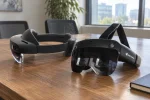
At its ‘Meta Connect 2026’ event, Meta has unveiled 100g VR Glasses for virtual screens and video calls, introduced camera-free Ray-Ban Meta Audio glasses and started selling Meta Ray-Ban Display in the UK.
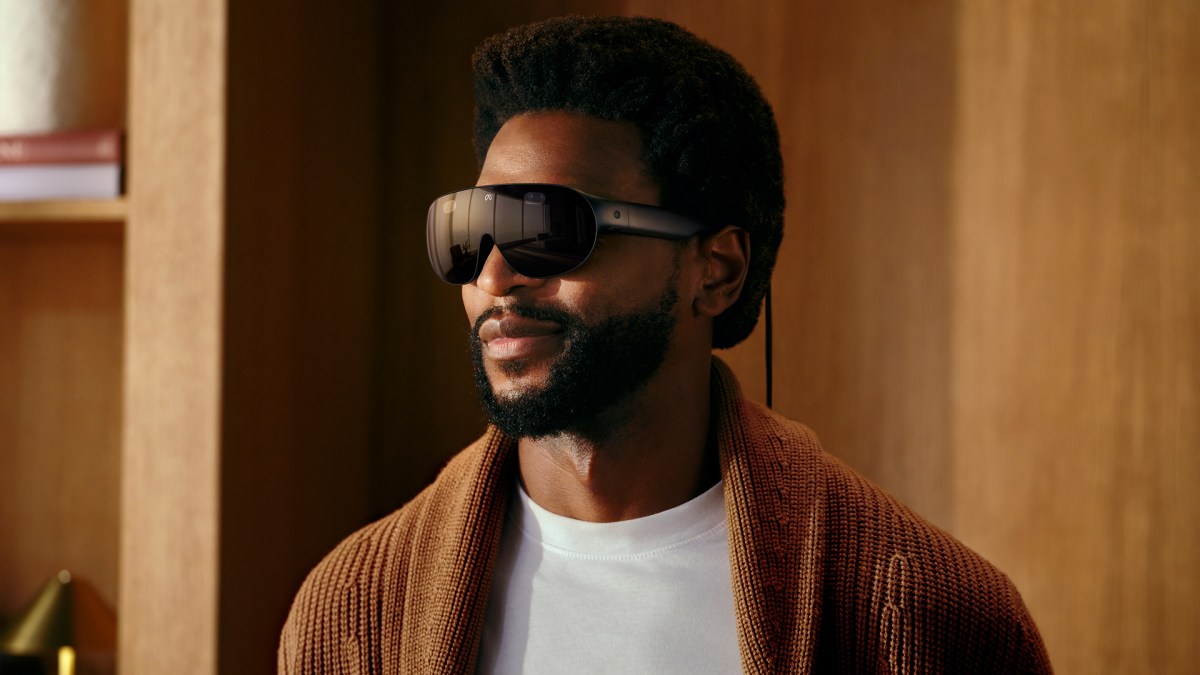
The announcements at Meta Connect on 23 September cover several uses for wearable computing, from a portable workspace to hands-free calls and AI assistance. Following reports of lighter VR and camera-free eyewear, businesses now have product details to assess, alongside new software features and further information on protecting personal data processed in the cloud.
AI eyewear is moving faster, with some models already on sale. Developers can build and test applications, although Meta’s general wearables programme still restricts public distribution.
A Lighter Device for Virtual Screens
Meta VR Glasses will cost $1,299.99. The roughly 100g weight applies to the glasses; a separate puck contains the processor, battery and storage, connected through an optical tether.
Meta promises multiple virtual screens and colour passthrough. Its announcement describes how users will type:
“Turn any flat surface into a keyboard and touchpad, so you can type out a reply without carrying extra hardware.”
Photorealistic holograms will represent wearers in WhatsApp and Zoom calls. Meta claims up to three hours of media playback, which doesn’t establish battery life during work.
Moving weight off the face could make longer sessions more comfortable. Office buyers would still need to assess typing accuracy, app compatibility and the practicalities of carrying the puck.
Meta also promises more than 100 immersive live US sports events a year at launch, opening another distribution route for content producers.
Camera-Free Audio Joins the Ray-Ban Range
Ray-Ban Meta Audio removes the camera entirely. The 43g glasses support calls, music and voice access to AI, with Meta claiming up to 12 hours of battery life. Prices start at $349, with shipping from 13 October.
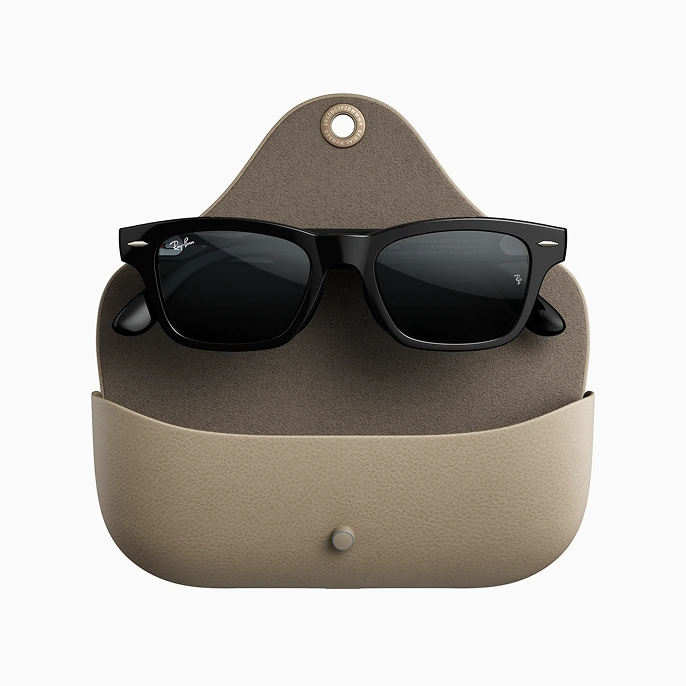
“Audio has been our most popular feature since day one,” Meta said in its launch announcement.
For people who already wear prescription glasses, combining eyewear and audio could reduce the need to carry or wear another device. Camera-free hardware also offers an option for users who don’t want to capture images, although employers would still need to assess audio use and data handling.
The new Ray-Ban Meta Gen 3 retains a camera and starts at $449. Available from 23 September, it adds a configurable action button, more frame choices and up to nine hours of battery life.
Meta also announced plans to bring its Muse personal AI agent to the glasses. Access to an agent could extend their use beyond individual voice commands, helping users manage tasks and appointments throughout the day. Companies would need clear controls over any work accounts and information connected to those services.
Private Processing for Personal AI
Meta also published details of Private Processing for AI glasses, a cloud architecture designed for demanding AI tasks and services that retain context between sessions.
The company says protected workloads run inside hardware-isolated environments that prevent Meta from reading the data. Where a feature needs persistent memory, information is encrypted using user-provided keys.
For businesses considering AI glasses at work, confidential processing could address some concerns about a cloud operator accessing sensitive information. Meta describes the architecture as a foundation for forthcoming experiences; its announcement shouldn’t be treated as confirmation that every existing glasses feature is covered.
Cloud protection also needs to be assessed alongside capture controls, retention settings and access by connected services. Employers need to know what information enters the system and who can retrieve it later.
App Publishing Remains Restricted
Meta’s wearables developer FAQ describes two development routes: mobile applications that connect to glasses through the Device Access Toolkit, and web applications that run directly on Ray-Ban Display.
The web route uses familiar browser technologies and supports inputs from the Neural Band. Developers can begin testing layouts in a browser before moving to the glasses.
As of the morning of 24 September, the FAQ still states:
“Publishing is currently not available during the Developer Preview phase.”
Developers can share web-app URLs with users who enable Developer Mode, while toolkit integrations can be shared through release channels. These routes support experimentation, but a company planning a commercial service still needs a supported distribution path.
UK businesses can begin Display hardware trials now, while the VR Glasses remain a 2027 purchasing prospect. For a company commissioning a glasses application, Meta still needs to confirm the route to public distribution and the terms that will apply beyond the preview.